
ZACHARI LOGAN
Sing My Petalled Skin
EXHIBITION
ARTIST TALK
OPENING RECEPTION
Artist in attendance
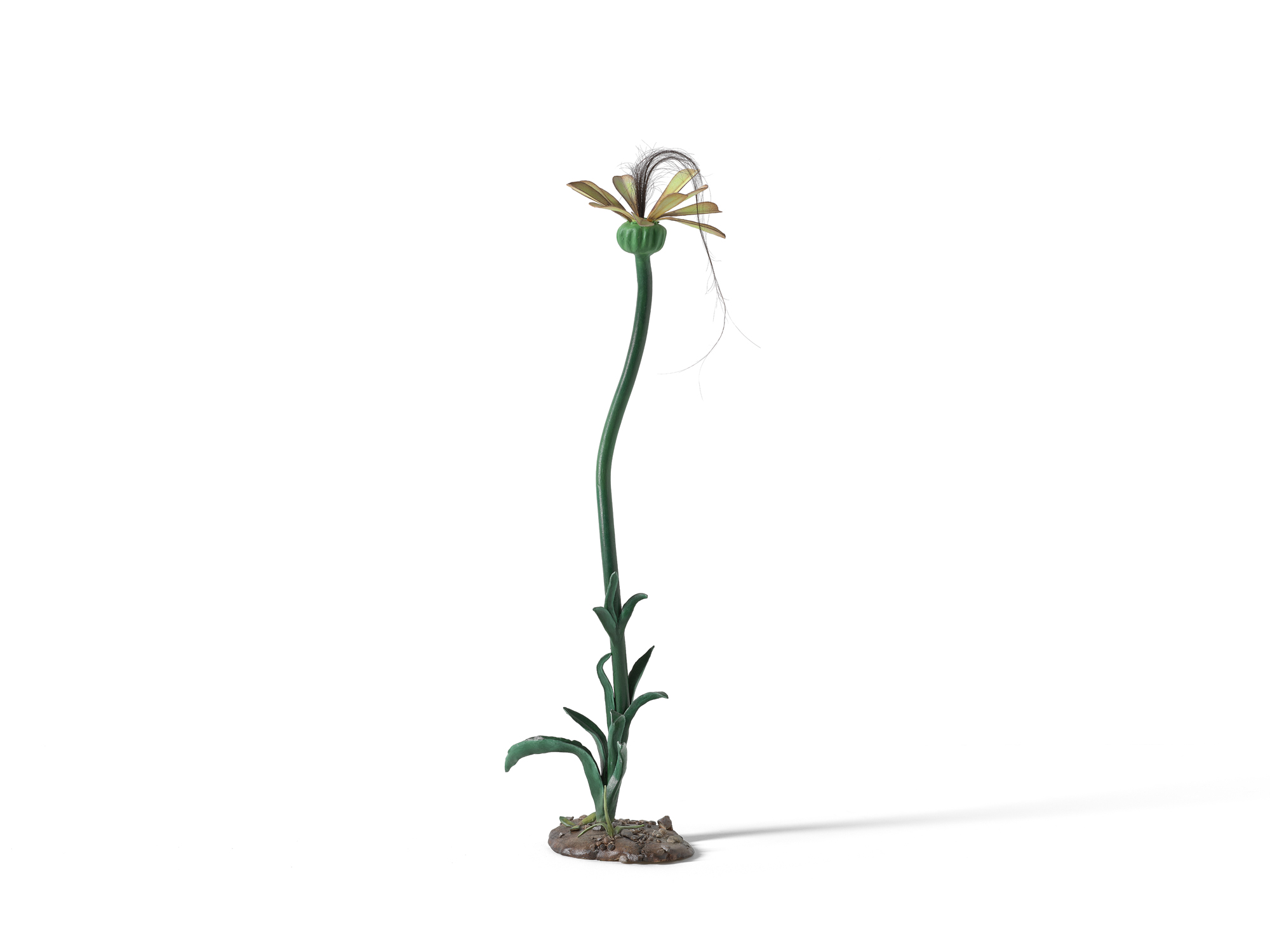
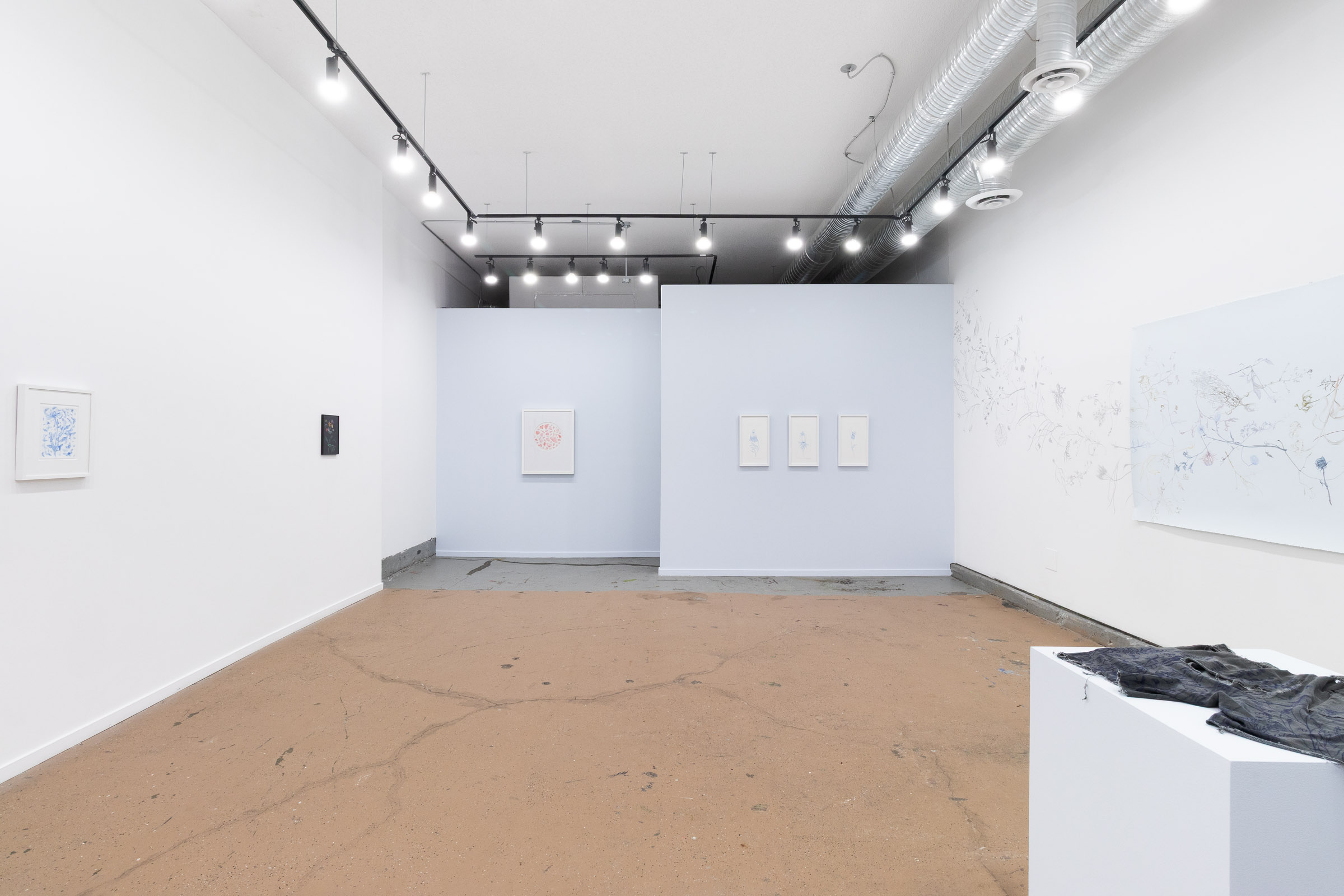
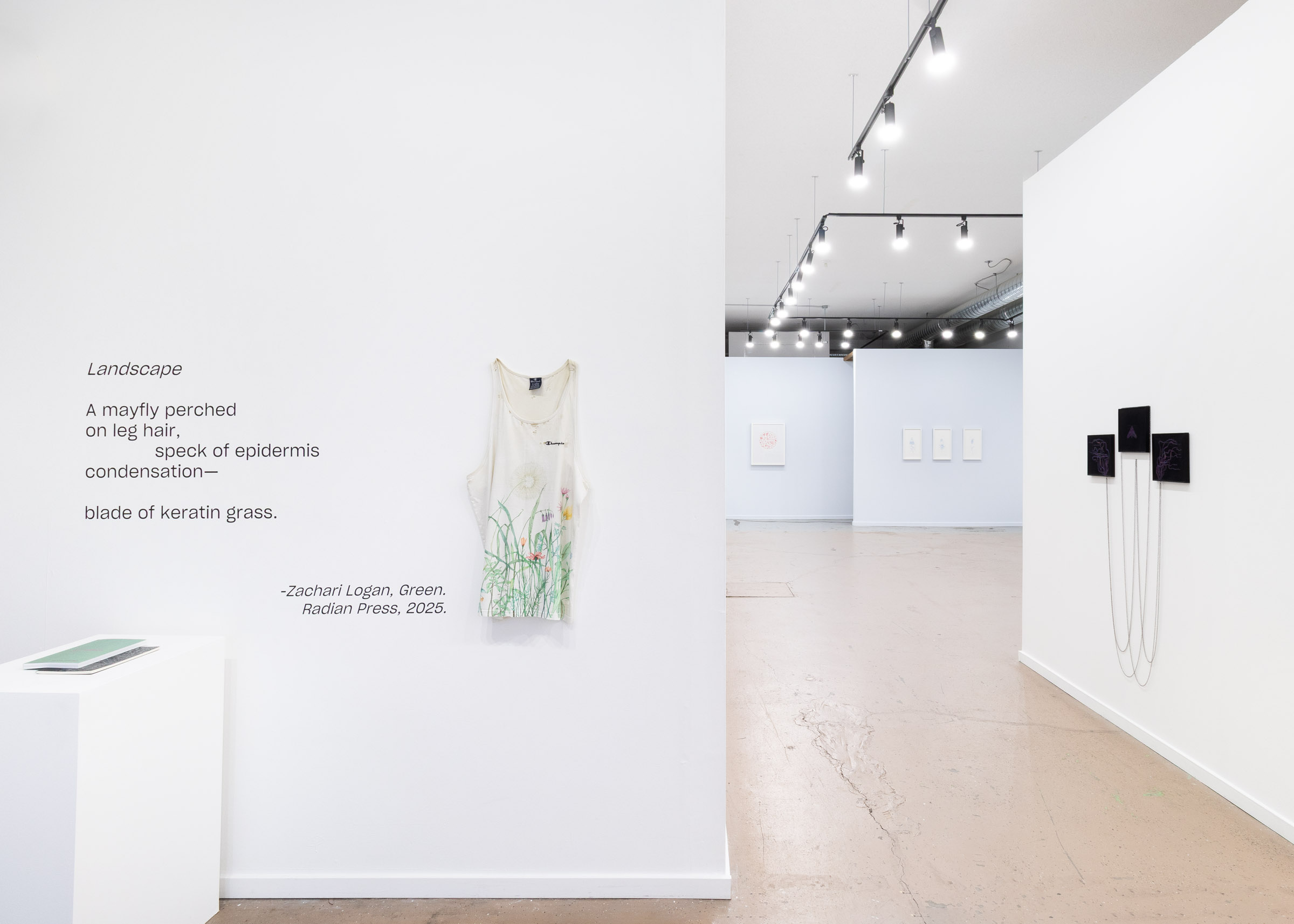
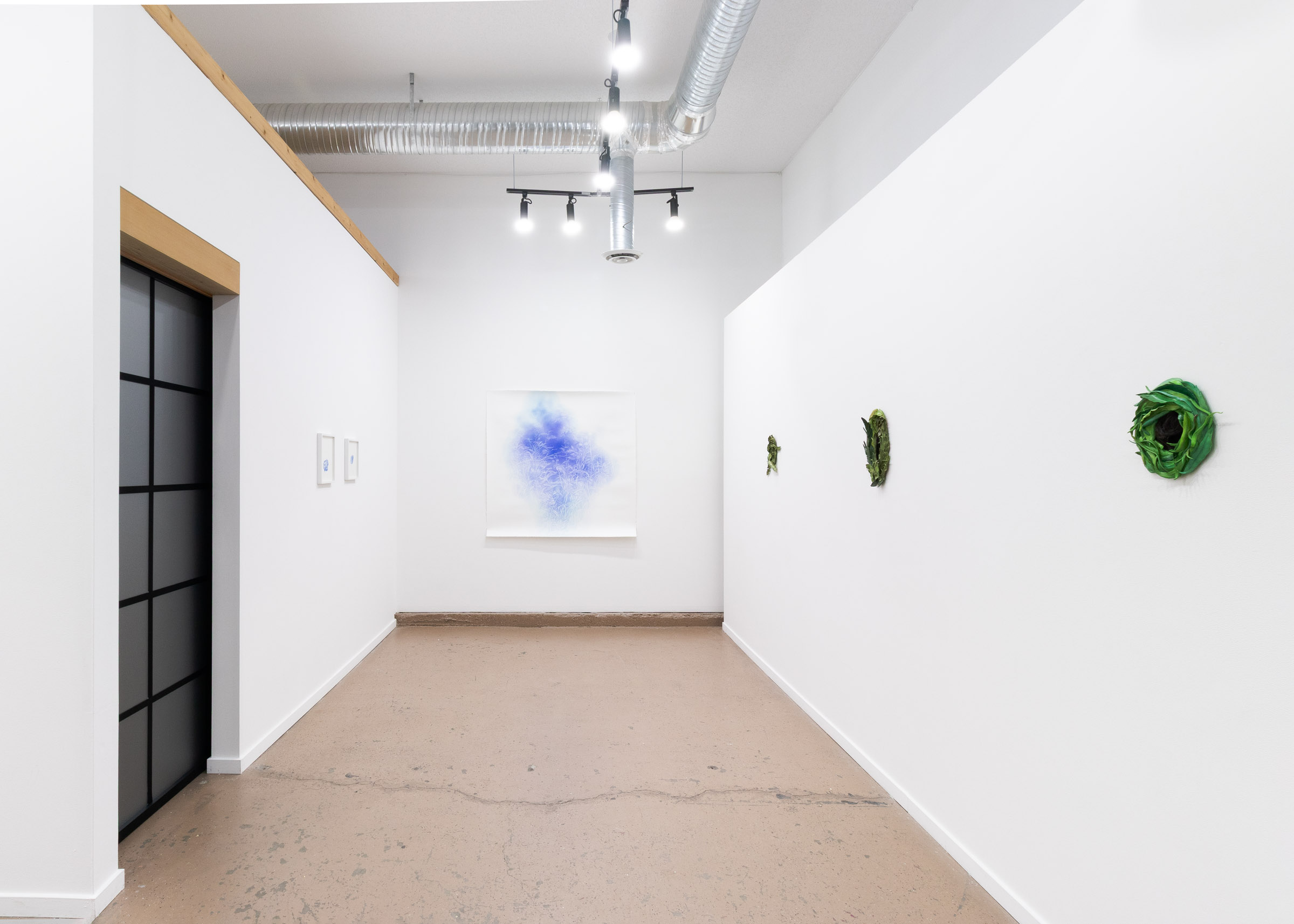
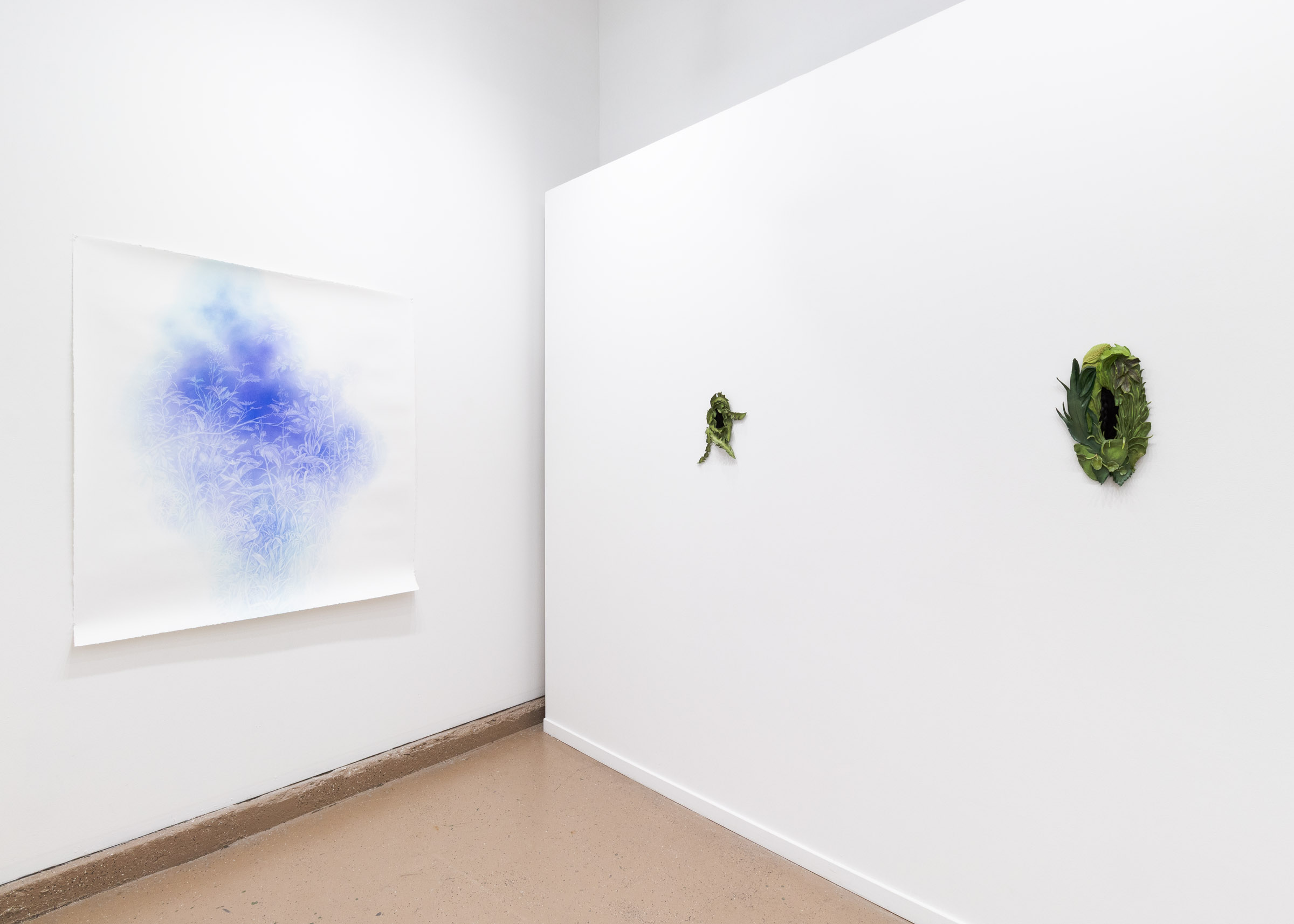
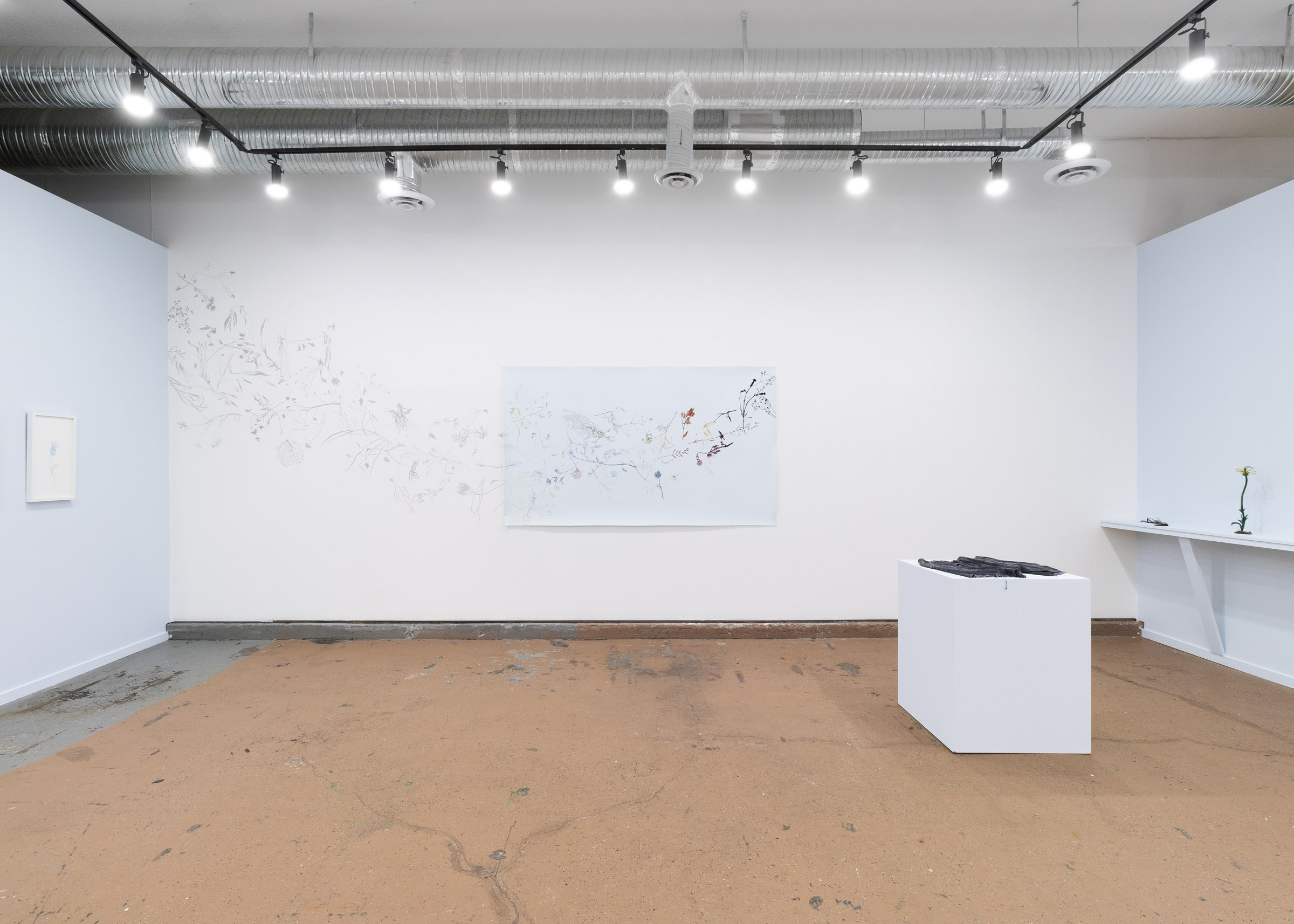
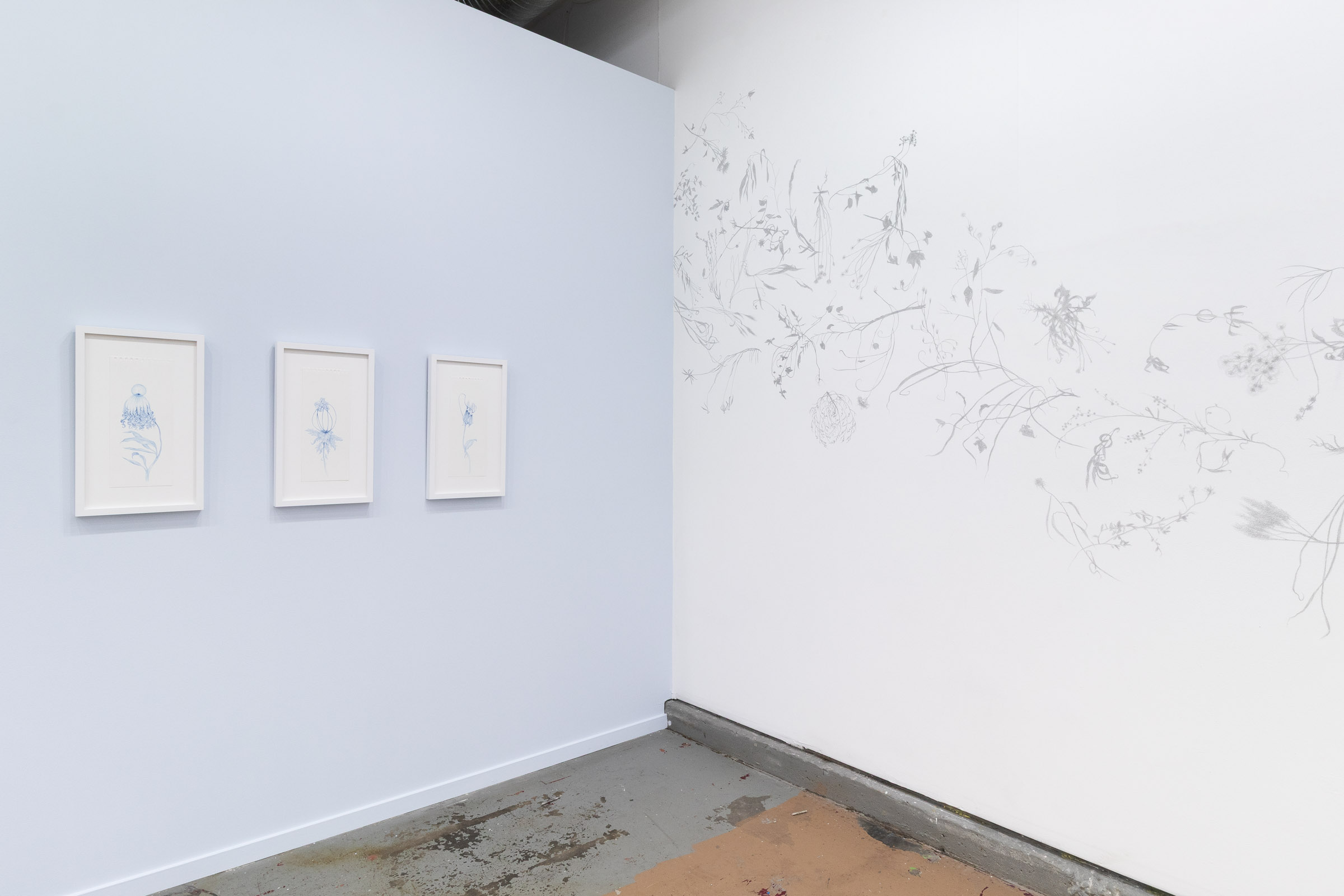
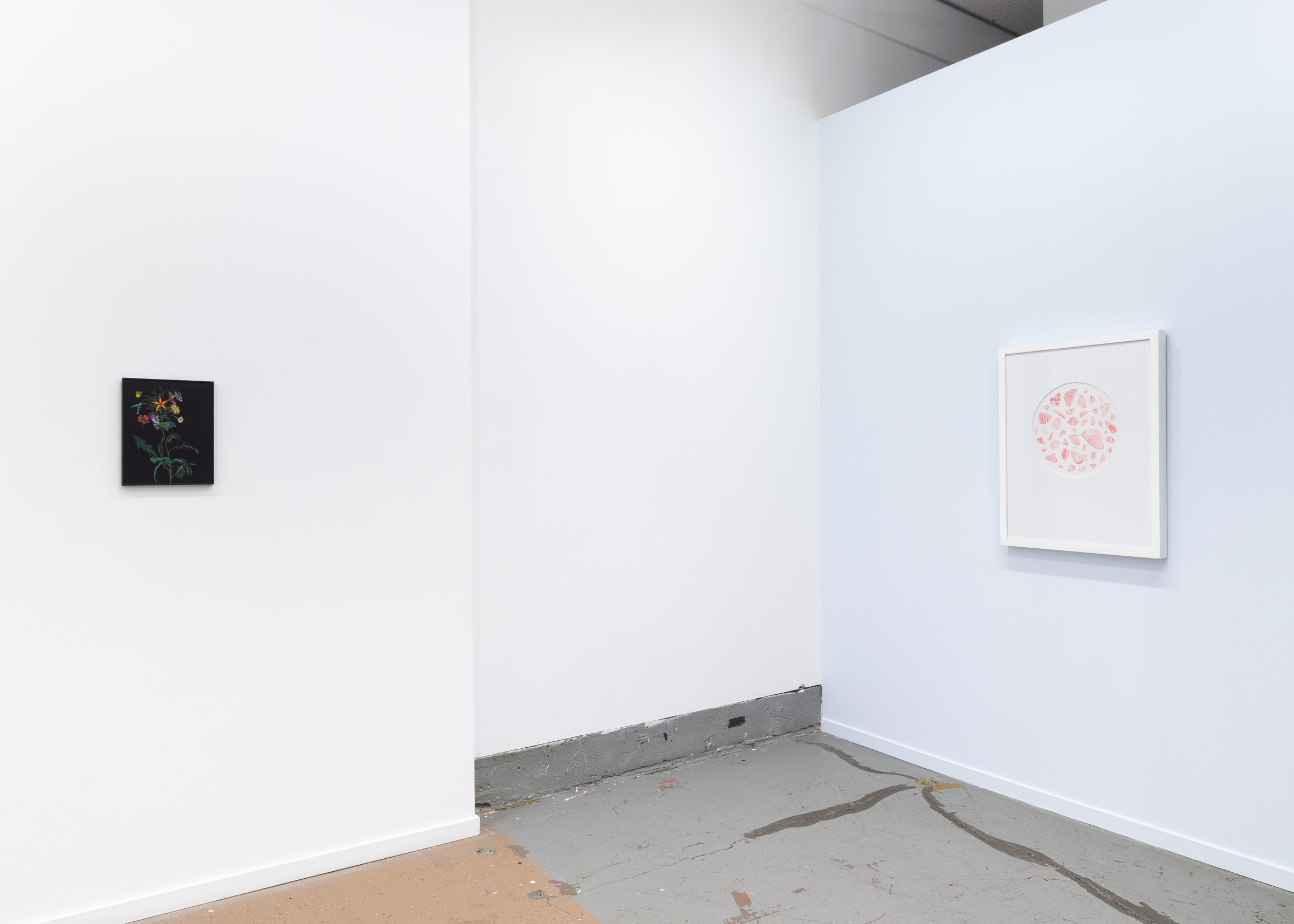
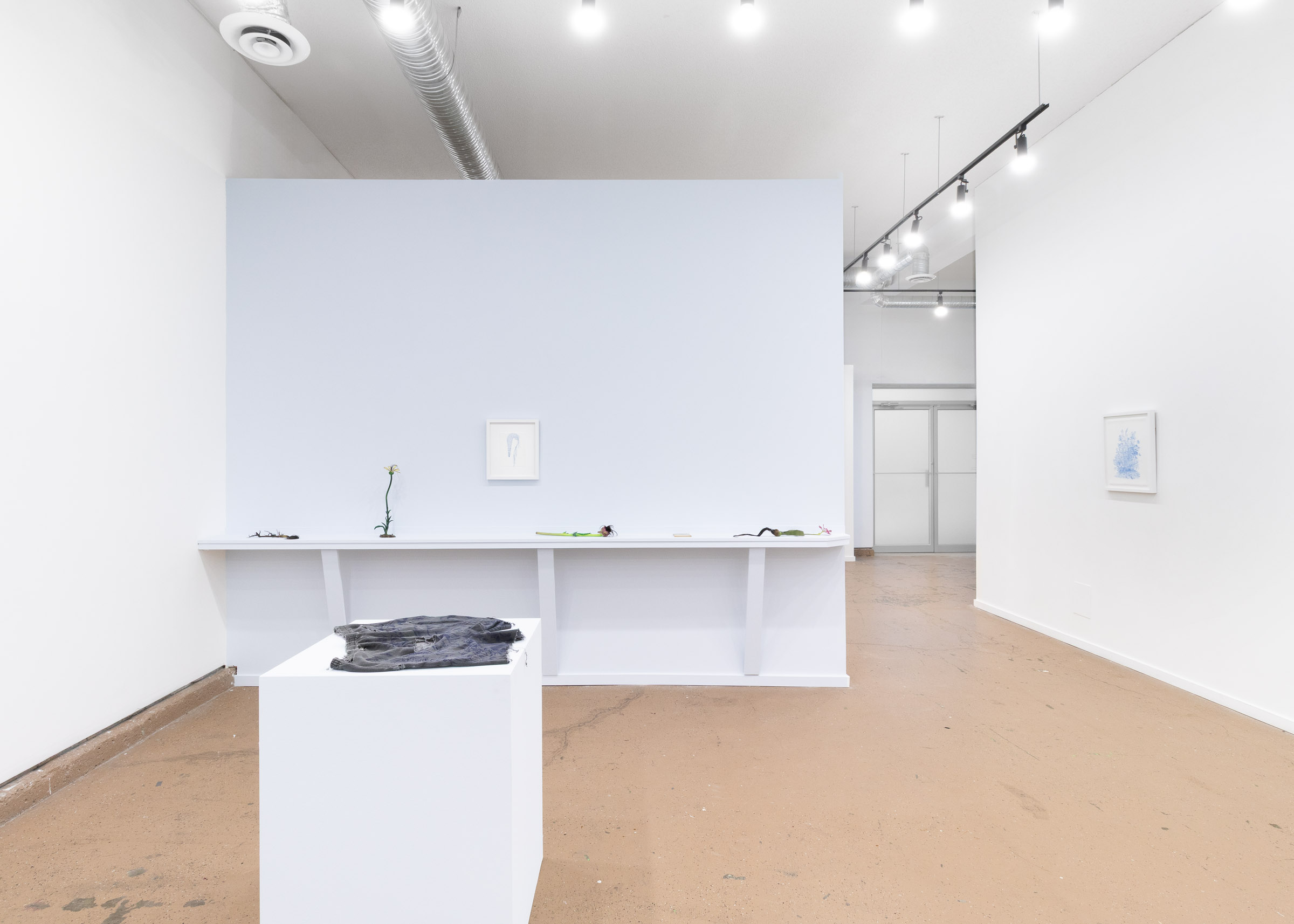
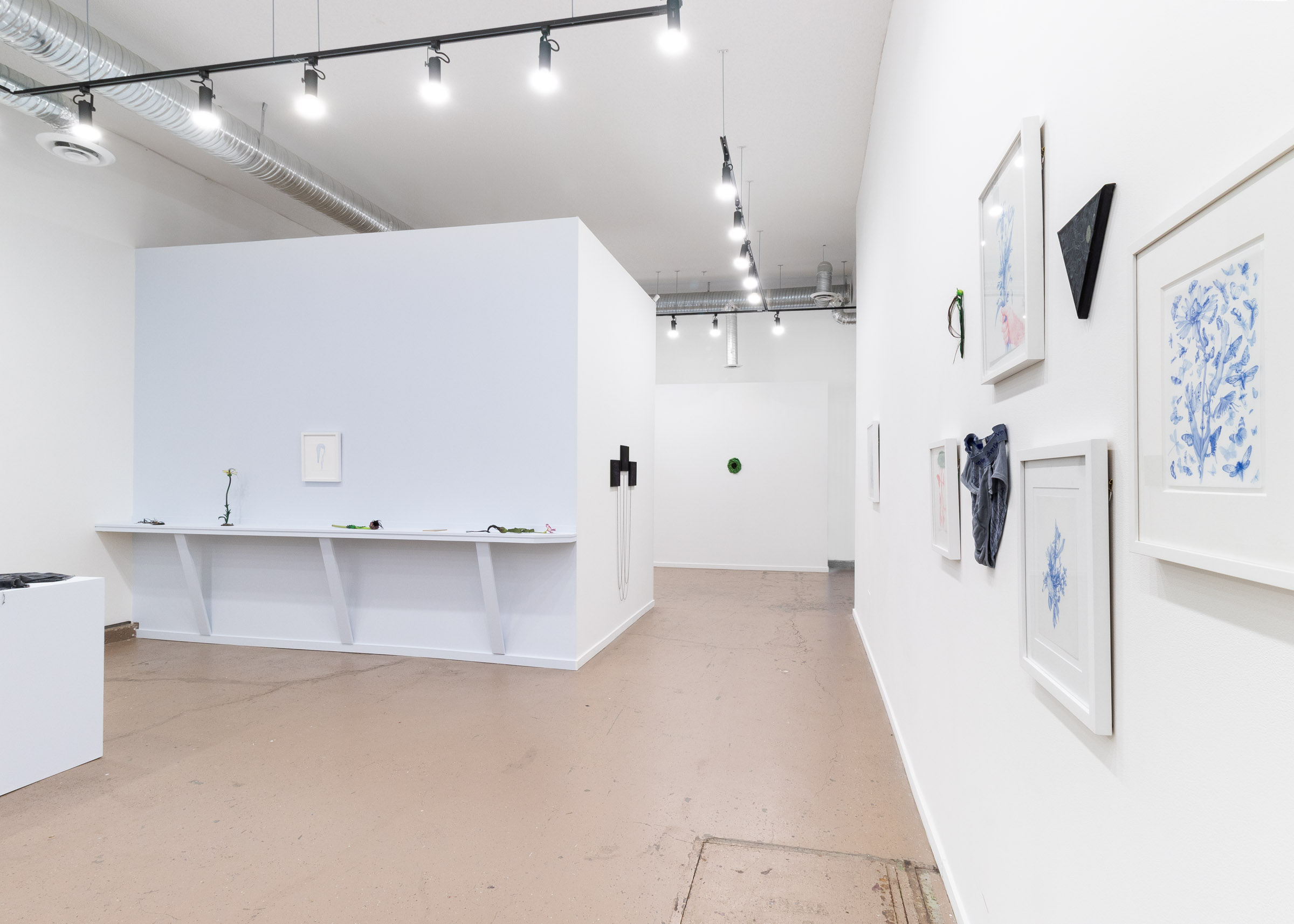
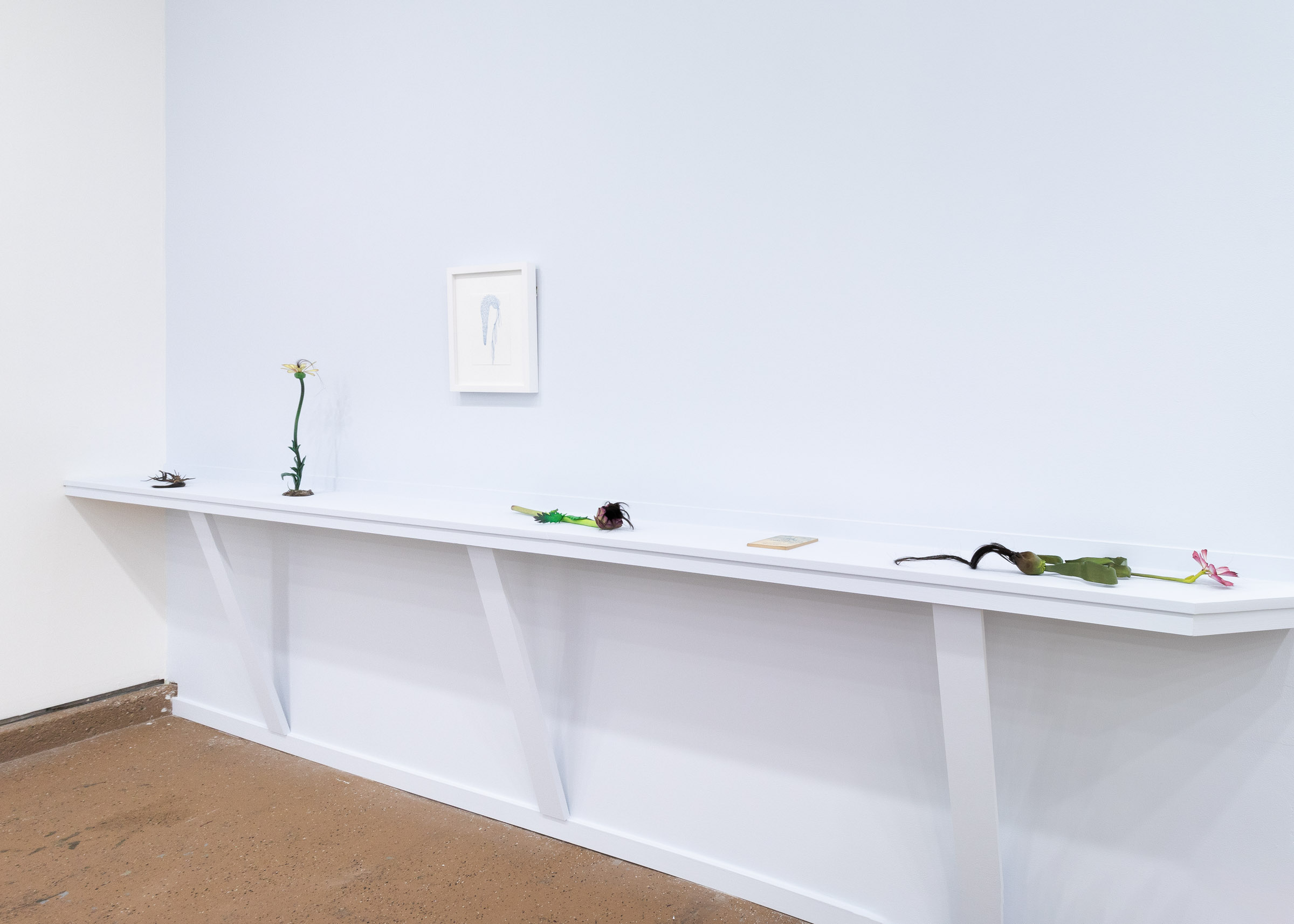
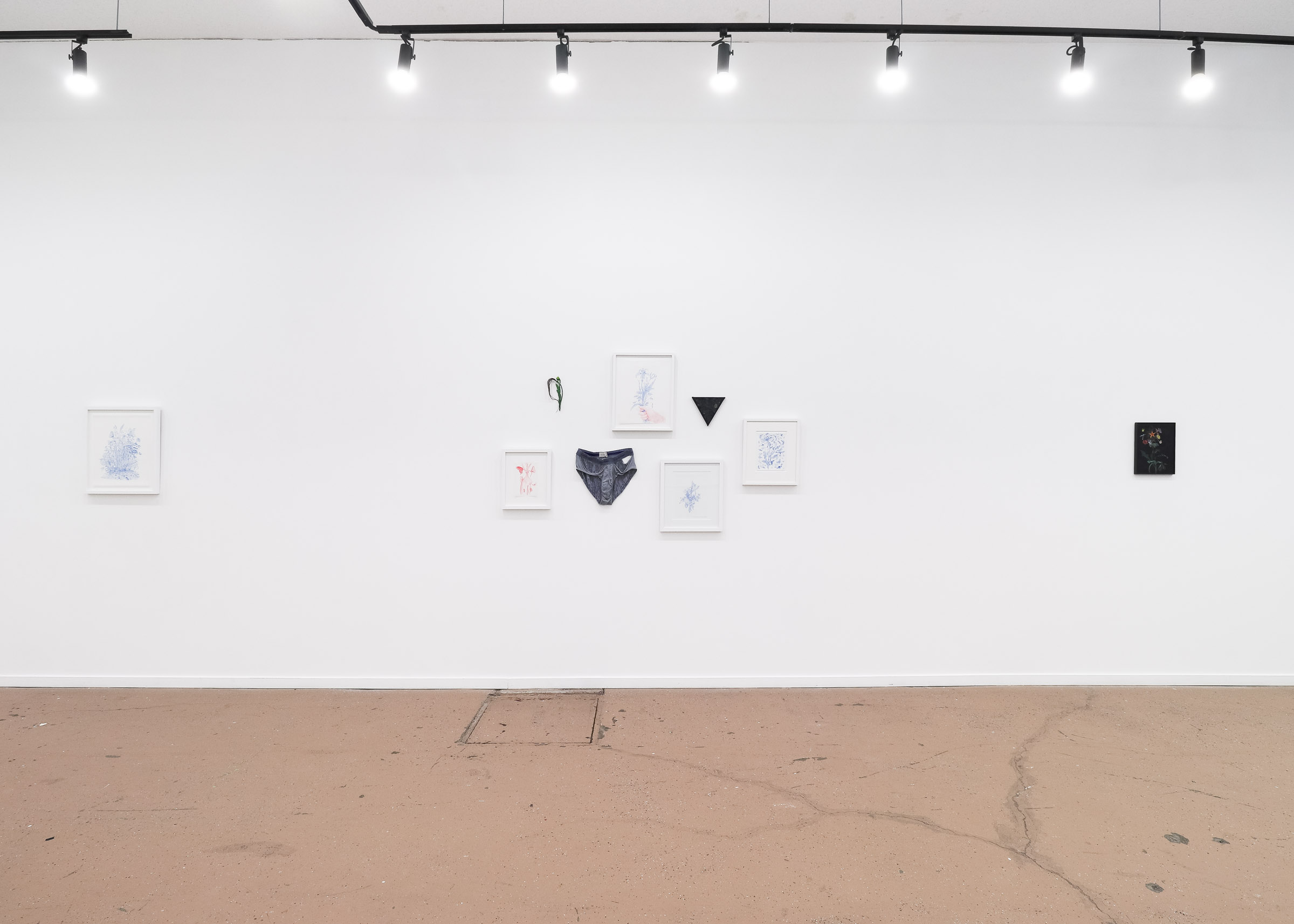
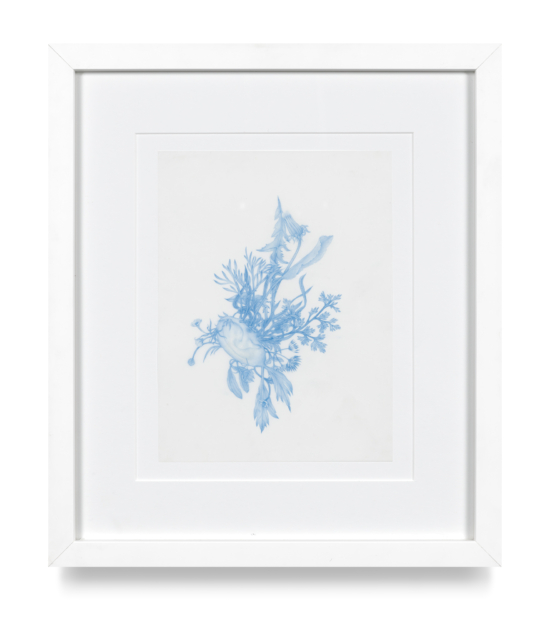
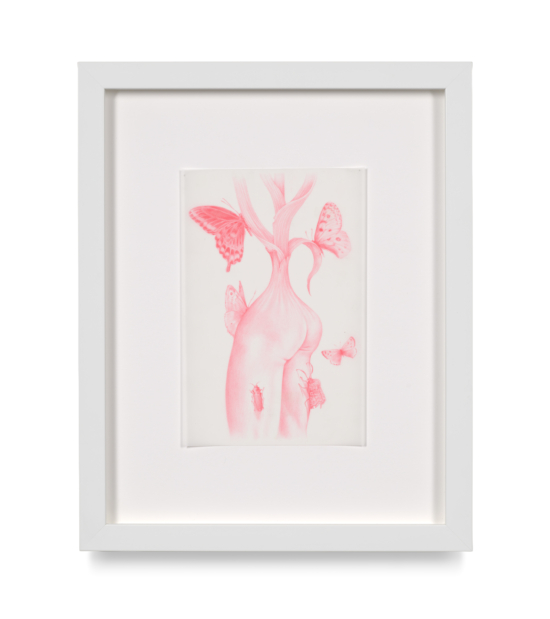
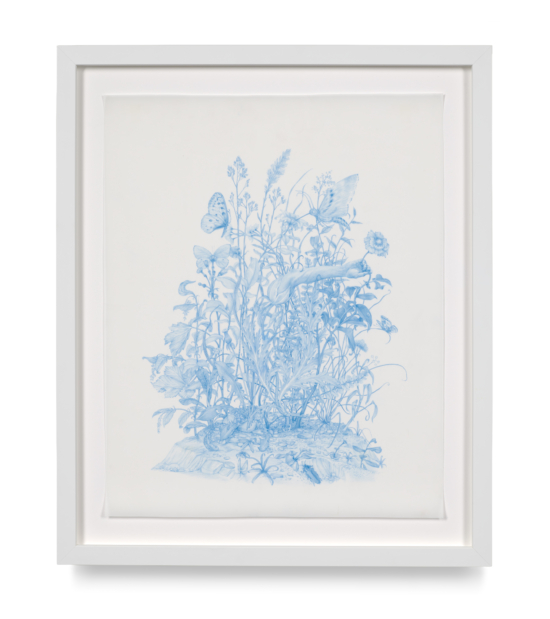
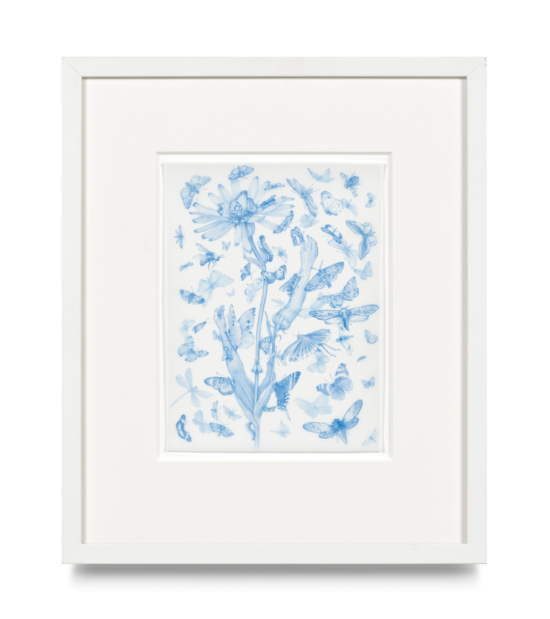
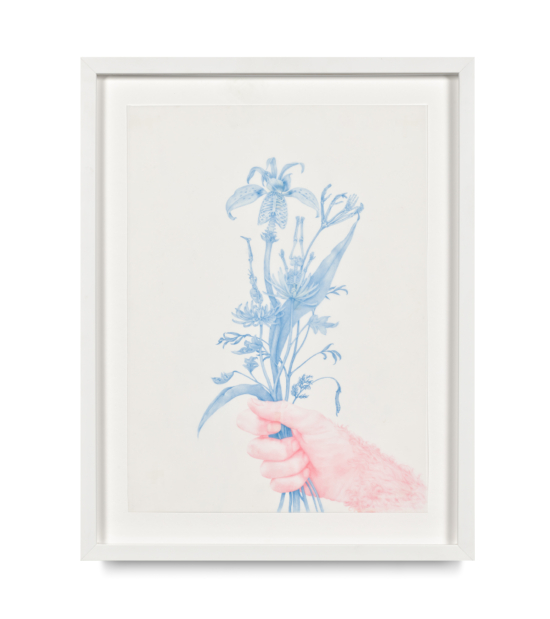
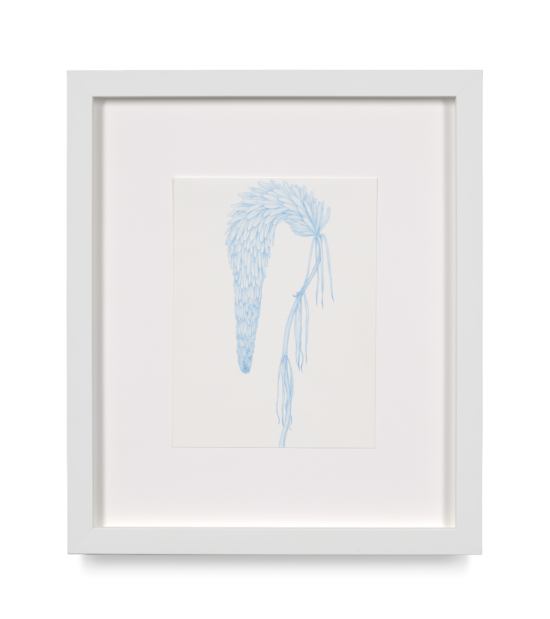
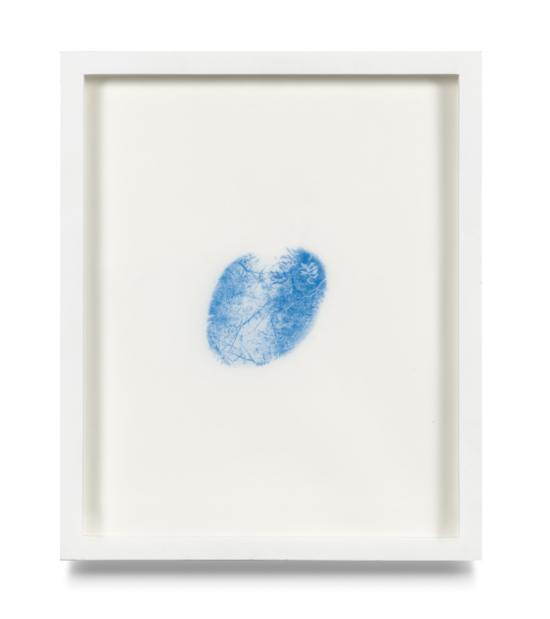
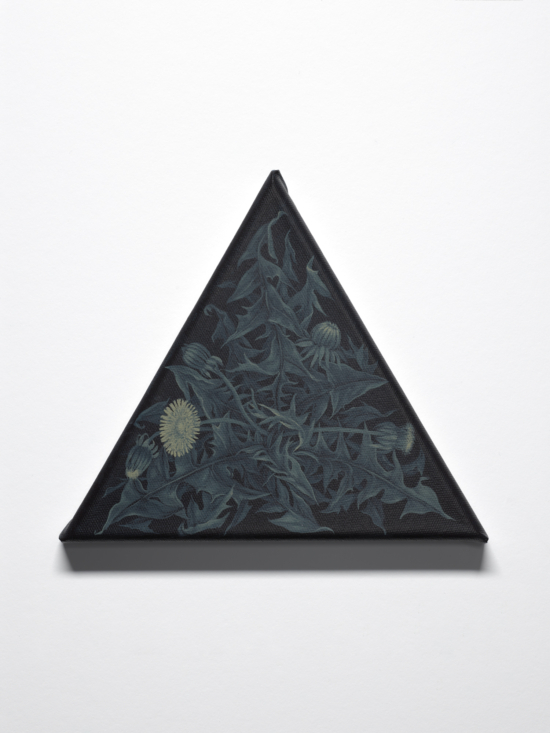
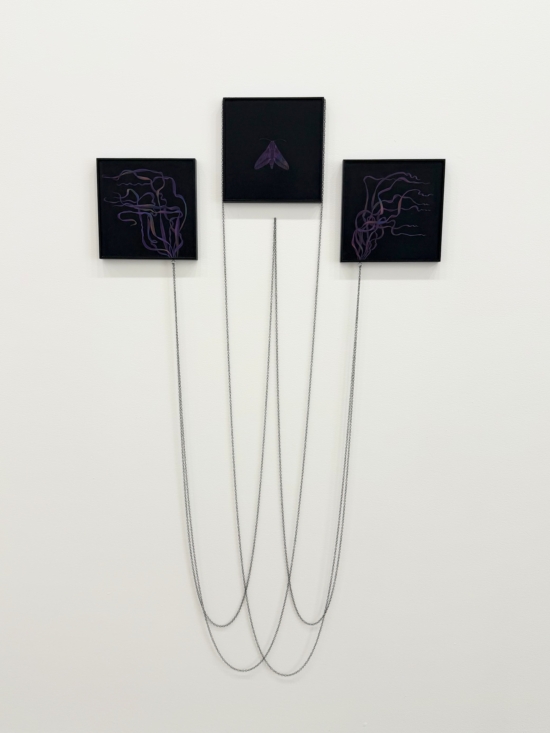
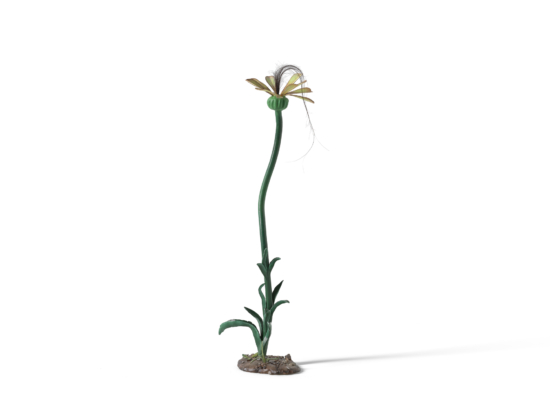
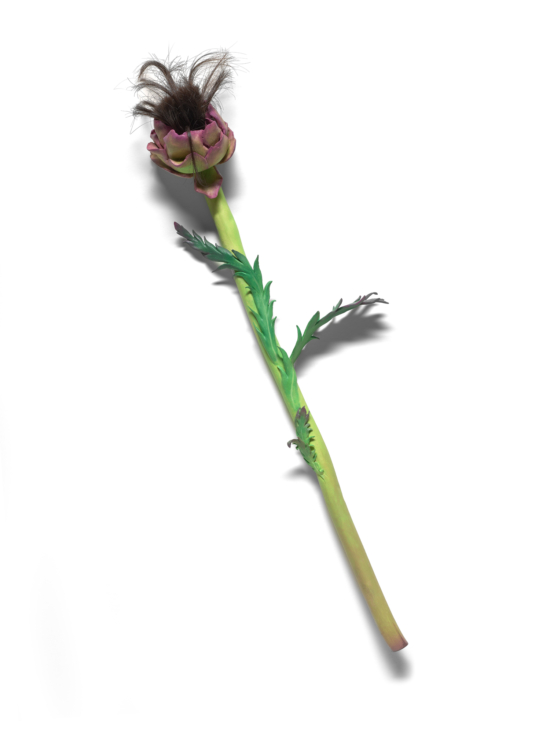
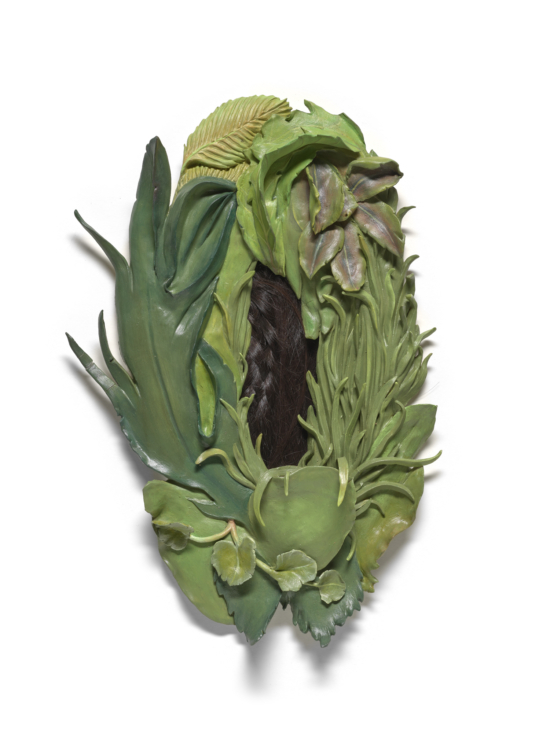
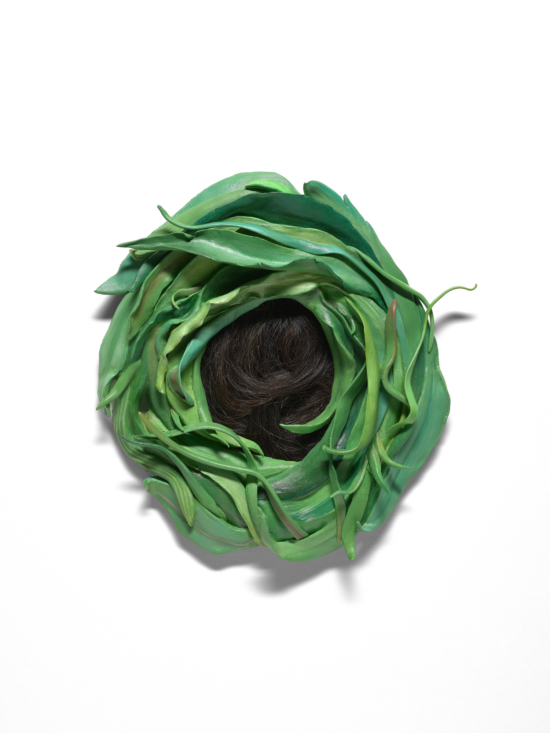
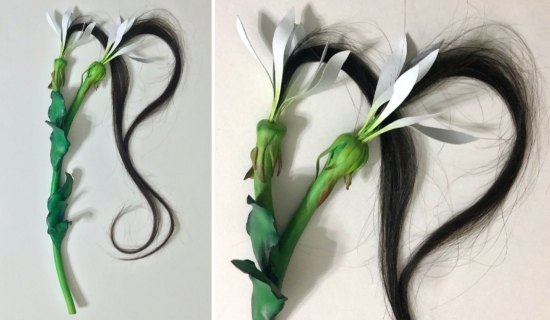
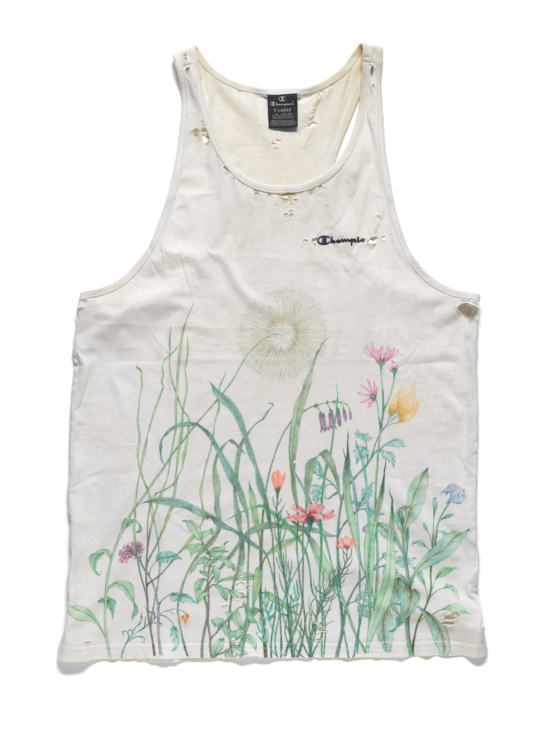
Through intricately detailed drawings and surreal sculptures, Zachari Logan dissolves the boundaries between body and landscape, drawing on botanical imagery, mythology, and art history to reclaim space for queer identities historically marginalized or excluded from traditional representations of nature. His work embraces beauty, vulnerability, and transformation, imagining a world in which the body is not simply situated within nature, but intrinsically part of it.
This exhibition is presented in cooperation with Paul Petro Contemporary Art, Toronto
The Exhibition
The Writing
Zachari Logan, Sing my petalled skin
By Ana Harbec
Will somebody wear me to the fair?
Will a lady pin me in her hair?
Will a child find me by a stream?
Ooh, kiss my petals, weave me through a dream
For all of these simple things and much more
A flower was born
— Minnie Riperton, “Les Fleurs”
A line is breadthless length.
— Euclid, “The Elements”
Just at the limits of ordinary perception lies another level in the hierarchy of beauty, of leaves as tiny and perfectly ordered as a snowflake, of unseen lives complex and beautiful.
— Robin Wall Kimmerer, “Gathering Moss”
If heavy is the head that wears the crown, then light is the hand that renders likeness of the thorn tenderly. Over 8,000 years ago in northern Mesopotamia, the first known botanical illustrations were made not of integral agricultural cereals or newly domesticated crops or even life-saving medicinal plants, but rather native wildflowers and bushy leaf cover. Adorning pottery, these drawn flowers—painstakingly laid out into motif—are thought to have been simply compelled by the unknown artists’ ardour for the beauty of the natural world: each drawing a small monument to redolent petals, pollen-befurred stamens, and round pistils with their swollen ovaries, as entitled as the Sun at the centre of things. The illustrated flowers’ petals also served as proto-abacuses—counting machines that used multiples of four and predated the first written mathematics by over 3,000 years. Floral ornament was neither criminal nor otiose in the Neolithic; decoration met function and was a marker of cultural evolution, contrary to the modernist rejection of adornment as “uncivilized” and wasteful. In ancient Mesopotamia, the mark of true civil striving was the ability to literally stop and smell the roses, then immortalize them in ink and glaze. This is the ilk of meticulous and ritualistic cultural cultivating that threads artist Zachari Logan’s practice.
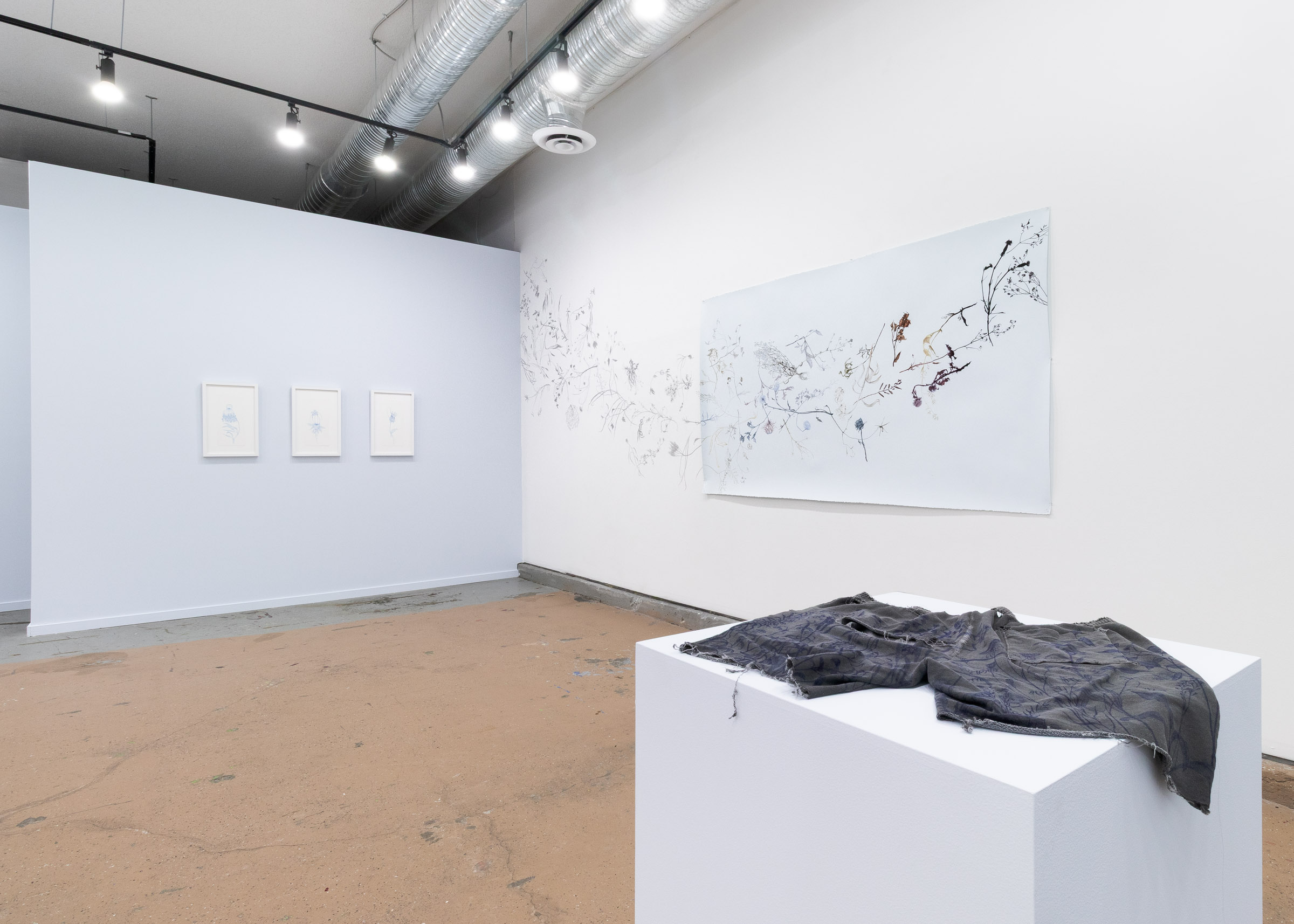
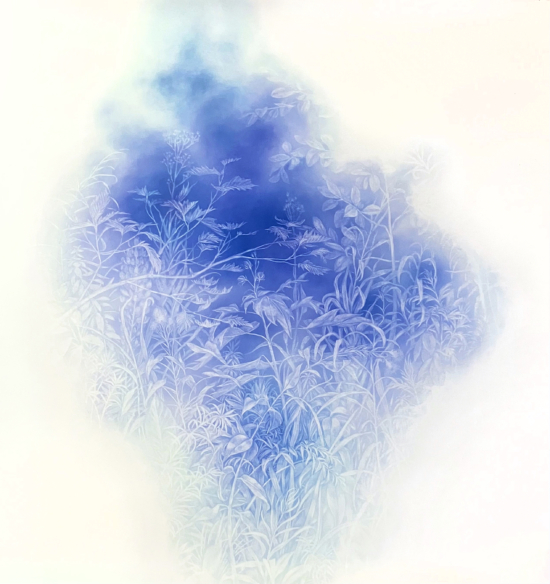
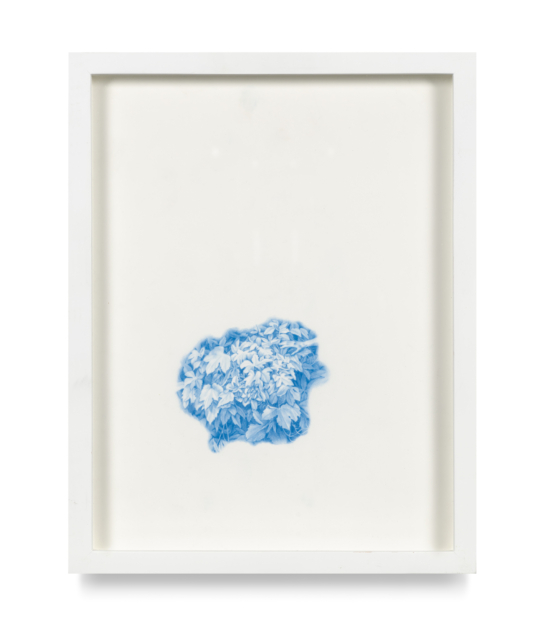
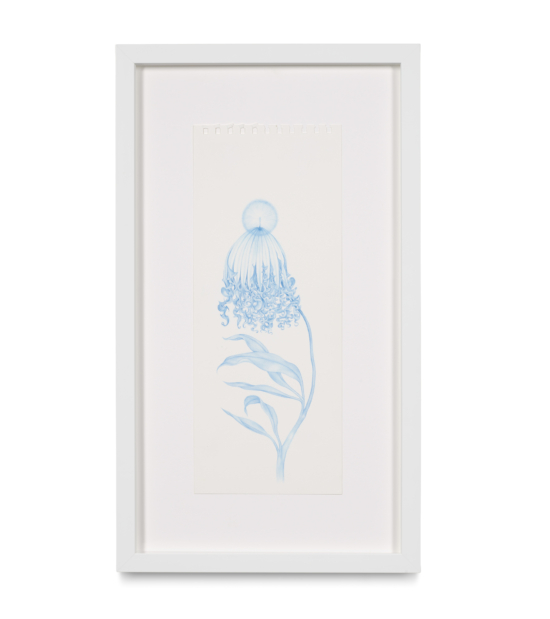
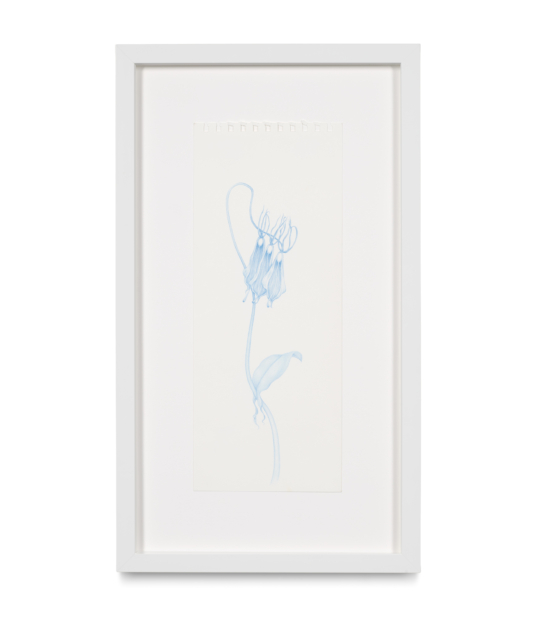
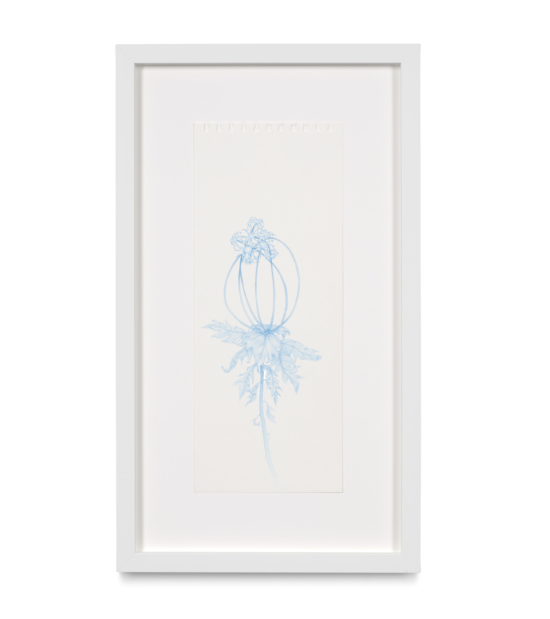
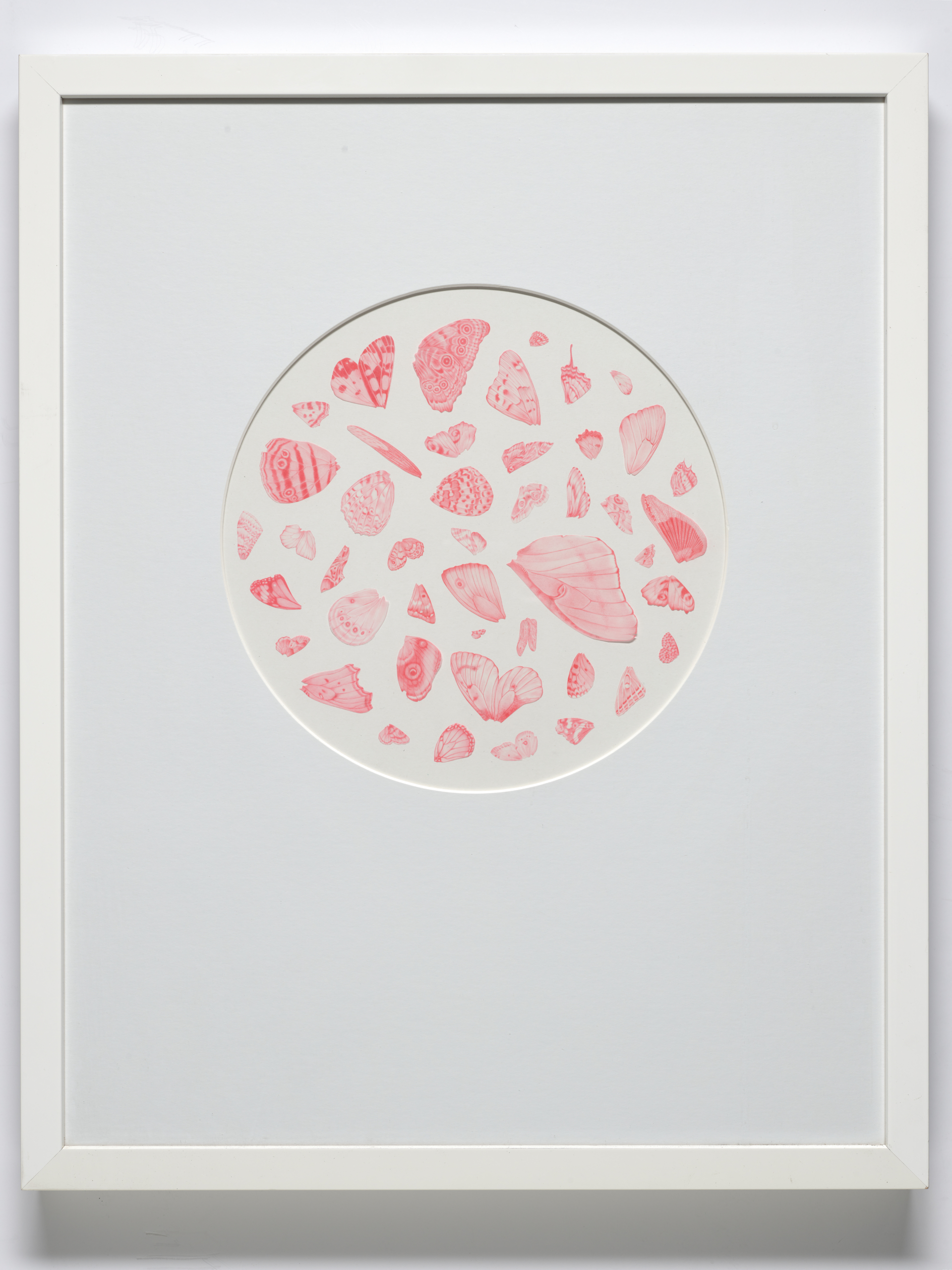
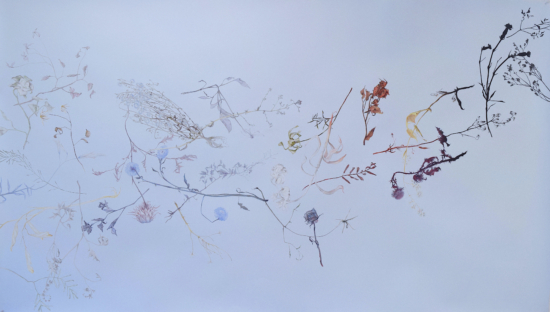
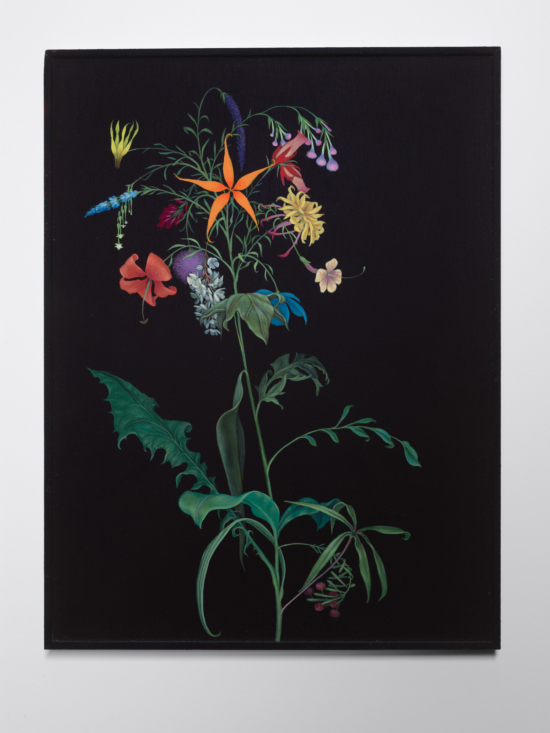
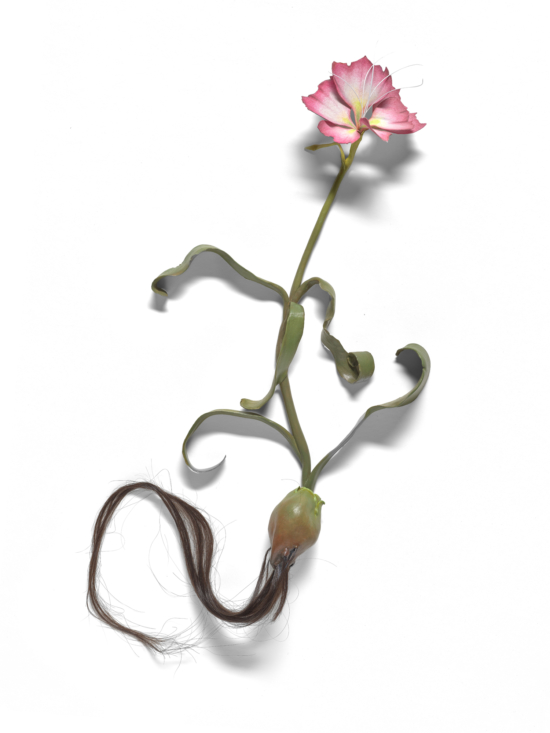
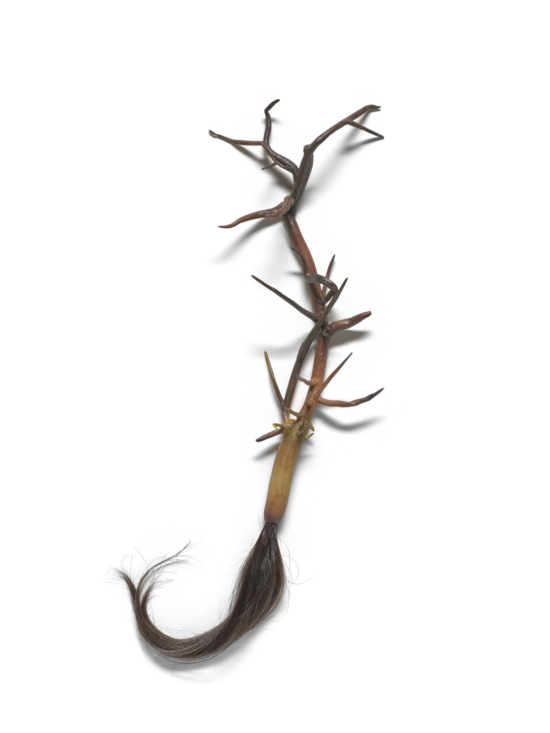
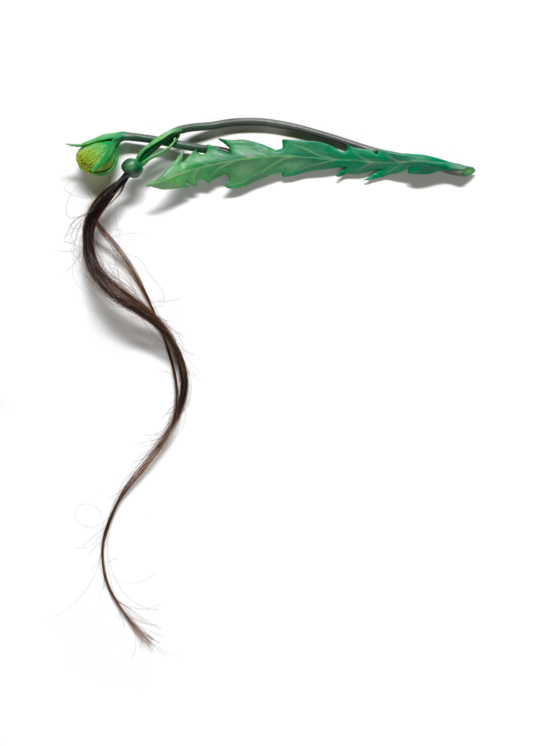
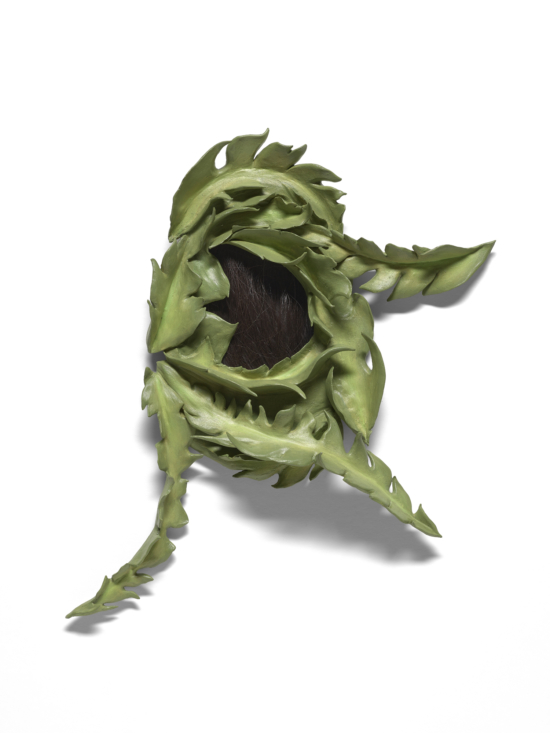
In Sing my petalled skin, we are invited into the mesmeric world of Logan’s drawings and sculptural works, whose magnetism cannot be merely attributed to their verisimilitude, but rather the mingling of likeness with a poetic impetus: a dialectic conversation between something like a 19th century empirical, taxonomic, botanical realism and an earnest 21st century conceptualism that results in a kind of alchemy on the page, on the wall, on the plinth. “Bruising,” for example, is a large-scale drawing sparsely littered with scrupulously illustrated floral clippings, tumbling across the work much the same way a tumbleweed skitters across a Prairie highway. What I mean is that there is a feeling of wind across the page, the vista of paper—Cirsium undulatum, Rosa acicularis, Jacobaea vulgaris, Salsola tragus strewn pell-mell—as the clippings fade from almost black to a red wine burgundy to saturated oranges to autumnal yellows to peach and robin’s egg blue, to dove grey and milky vanilla, to ivory. The clumps of flowers are dutiful chroniclers of the shifting colours of a wicked bruise on the artist’s thigh, as it morphed and healed over days and weeks, the skin of the drawn petals mirroring the injured skin of the artist. It is true that bruises both bloom and fade.
Skin is ostensibly the boundary between the body and the external world. Yet it is porous and vulnerable; within and upon the human body there are 10 trillion more microbes than human cells. Our bodies are fungal and our membrane is permeable, shy, insufficient: wrinkled and veined and blemished much like the delicate lamina of petals. Think about the sharp poke of a rose thorn that draws blood or the sting of poison ivy, where the skin of the leaf touches the skin of the leg, exposing our leaking boundaries. Our epidermis: a mere threshold to the world at large, the realm of the verdant, zoetic, fecund botanical Bacchanal—a perennial ecstatic gathering where the many choruses of petalled skin echo ad infinitum.
The Work
-
ZACHARI LOGAN
-
ZACHARI LOGAN
-
ZACHARI LOGAN
-
ZACHARI LOGAN
-
ZACHARI LOGAN
-
ZACHARI LOGAN
-
ZACHARI LOGAN
-
ZACHARI LOGAN
-
ZACHARI LOGAN
-
ZACHARI LOGAN
-
ZACHARI LOGAN
-
ZACHARI LOGAN
-
ZACHARI LOGAN
-
ZACHARI LOGAN
-
ZACHARI LOGAN

-
ZACHARI LOGAN
-
ZACHARI LOGAN
-
ZACHARI LOGAN
-
ZACHARI LOGAN
-
ZACHARI LOGAN
-
ZACHARI LOGAN
-
ZACHARI LOGAN
-
ZACHARI LOGAN
-
ZACHARI LOGAN
-
ZACHARI LOGAN
-
ZACHARI LOGAN
-
ZACHARI LOGAN
-
ZACHARI LOGAN
-
ZACHARI LOGAN

-
ZACHARI LOGAN

The Artist
ZACHARI LOGAN
Saskatoon, Sk. 1980.
Lives and works in Regina, Sk
Zachari Logan is a Canadian artist working mainly with large-scale drawing, ceramics and installation practices, evolving a visual language that intersects memory and observation to explore figuration and selfhood. His work underlines a fundamental interconnection of the human as nature whose methodologies engage ideas of beauty, mortality and integration. Employing strategies of visual quotation, mined from place and experience Logan re-wilds his body as a queer embodiment of nature and a site of excavation. As an extension of his studio practice, Logan has attended many residencies; including Vienna’s Museums Quartier MQ21 Program, the International Studio & Curatorial Program in Brooklyn, Wave Hill Botanical Gardens Winter Workspace Program in the Bronx and Little Bird Artist Residency in rural Bulgaria. Logan was artist in residence at the Tom Thomson Shack at the McMichael Gallery in 2017, a commission of the Ontario Government to commemorate the centenary of Tom Thomson’s death. In 2021 Logan was the Koerner Artist in Residence at Queens University. Logan was the West Baffin Cooperative’s 2025 Artist in Residence in Kinggait, Nunavut and earlier this year, participated in the Cite Internationale des Arts Residency Program in Paris, France. Currently Logan is Artist in Residence at Toronto’s Open Studio and in June of 2026, he was awarded the Inaugural Spazio Berlendis Venice Residency Prize, which with take place during January and February of 2027.
Logan has exhibited throughout North America, Europe and Asia and his work is found in many private and public collections, including; National Gallery of Canada, Art Gallery of Ontario, Peabody Essex Museum, Remai Modern, McMichael Canadian Art Collection, Gardiner Museum, Canada Council Art Bank, TD Bank, Leslie-Lohman Museum, Nerman Museum of Contemporary Art (NMOCA), 21cMuseums Hotel Collection and Venice’s Thetis Foundation, among others. Logan has worked collaboratively with several celebrated artists, including Ross Bleckner, Qavavau Manumie and Sophie Calle. His work has been featured in many publications worldwide, including BBC Culture, The Boston Globe, The Atlanta Journal-Constitution, Border Crossings, Huffington Post, Canadian Art and Hyperallergic to name a few. Logan has curated several exhibitions in Canada and the UK. His first book of poetry, A Natural History of Unnatural Things was published in 2021, and in the spring of 2025 his second book, Green, a collection of poetry, essays and drawings was released, both published by Radiant Press. In 2014 Logan received the Lieutenant Governors Award for emerging artist, in 2015 an Alumni of Influence Award from the University of Saskatchewan, and in both 2016 and 2026 Logan was long-listed for the Sobey Award.
